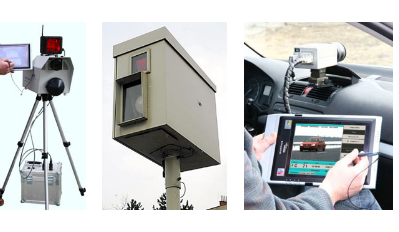
Radar detectors, for its reliable functionality, has to have an access to radar waves from radar sources. The standard windshield absorbs radar waves in negligible percentage. A problem occurs if there is an obstacle on the way to the detector that could bounce off the signal.The typical example is athermic/metal coated windshield on some vehicles.
Why are some cars equipped with athermic windshields? The answer is simple, a thin and almost 100% transparent layer of metal plating is able to bounce off, not only the radar waves but also a certain spectrum of solar sunlight that is coming into the vehicle. Such windows can reduce the amount of heat inside the cabin and contribute to the passenger's climate comfort. Let's have a closer look at various types of windows used in the industry.
Portable radar detectors vs. athermic/metal coated windshield
The athermic windshield can be recognized by slightly green/blue/ magenta tint when you look at the car from a specific angle. The easiest way to tell is when you look at the windshield with polarized sunglasses that can highlight the effect. Various automotive brands use different designations such as Athermal, dethermal,IR, Sun safe, Sun protect, Microclimatic window etc. These windshields block much of the radar signal and drastically reduce the range of a portable detector.
If the whole windshield is coated, there are two solutions: replace it with a standard windshield (some car models do not offer one), or choose a custom-installed system with the radar antenna behind the front bumper, such as the GENEVO PRO II.
Placing the detector in a cutout in a metal window
Some vehicles with metal coated windows are equipped with a cutout without the coated layer. These cutouts can be found next to the rearview mirror, at the bottom of the window, or in both places. If the cutout is large enough, the portable detector will fulfill its function and can be placed on the window. Make sure that the antenna (front part of the detector) has a sufficient view through the cutout without metal.
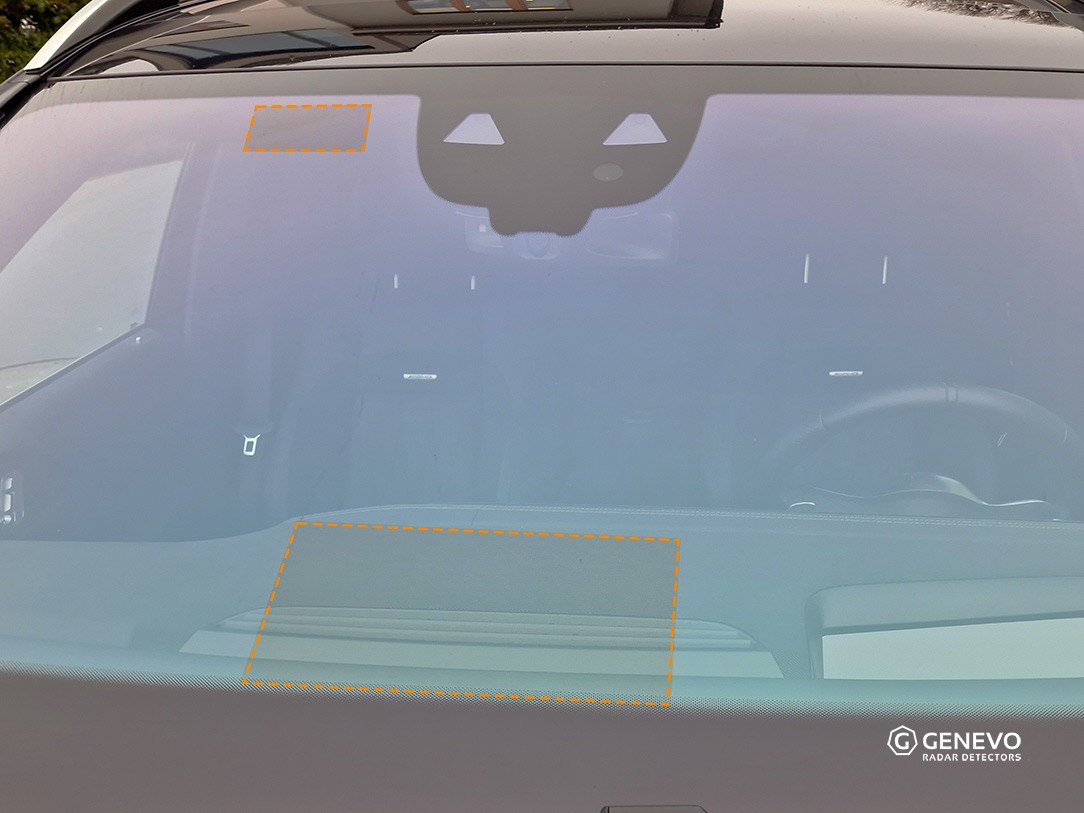
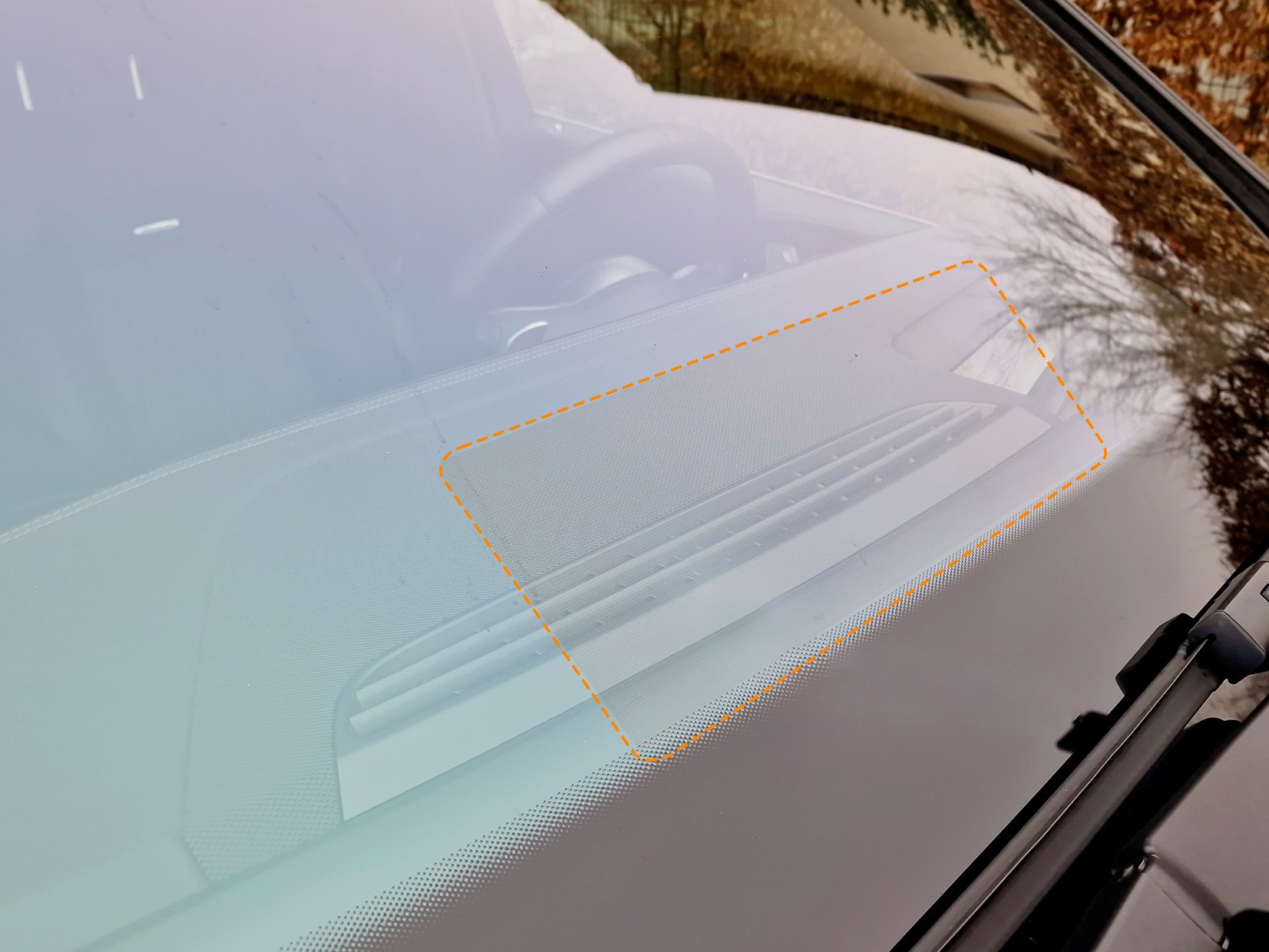
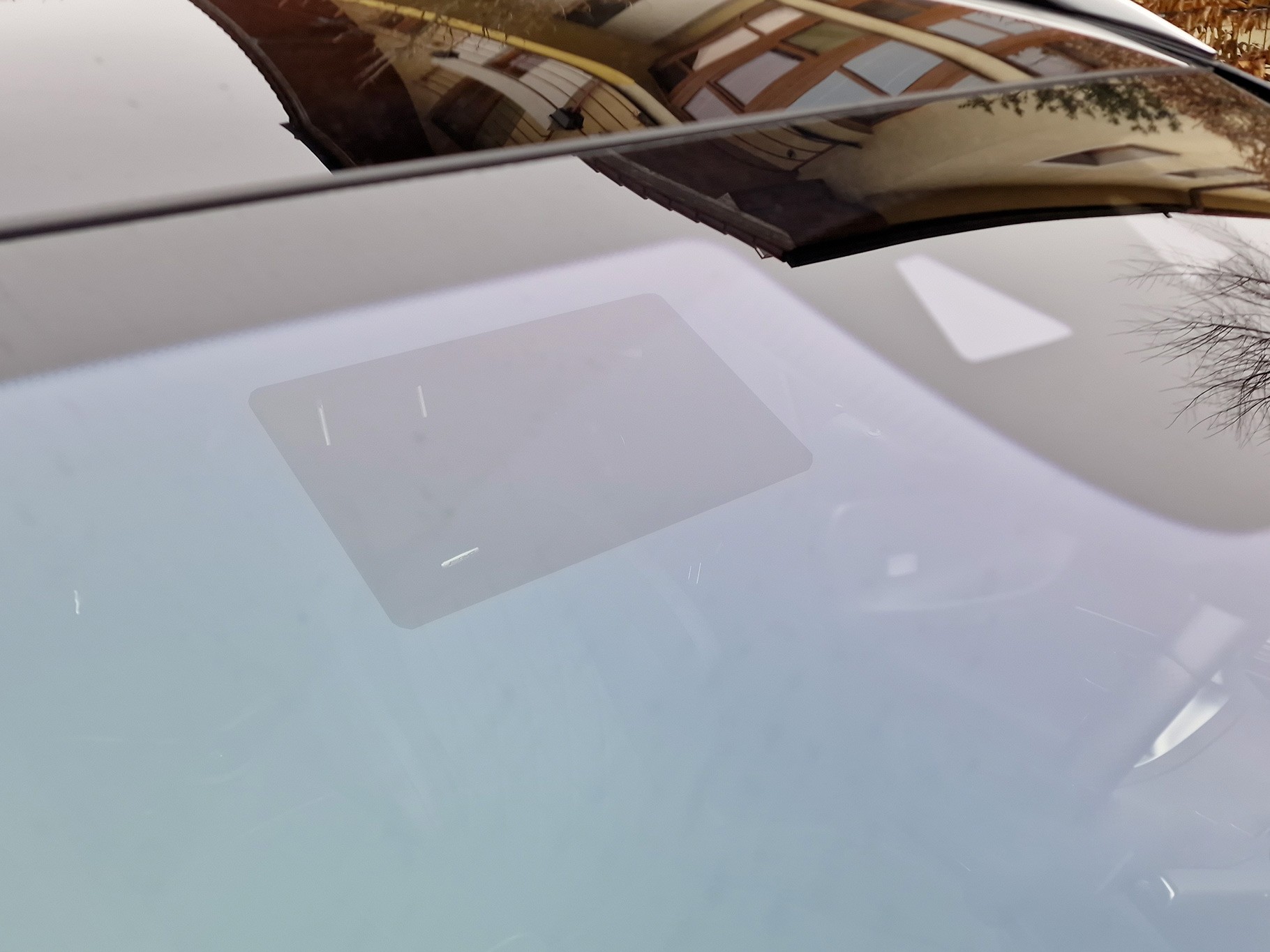
Typical examples of cars with athermic windshields:
- BMW - many models
- Mercedes Benz E, S, GLS, GLE, G
- Porsche Panamera
- Audi A6
- VW Arteon, Passat
- Other models with higher trim levels
The windshield can differ by model year and trim level, so always check your own car.
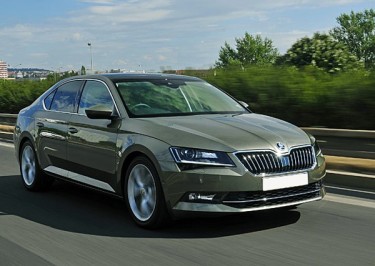
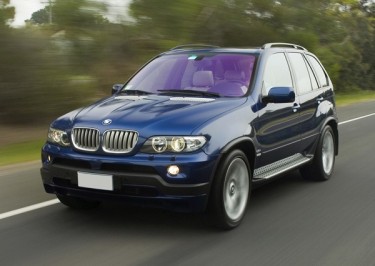
Portable detectors vs. heated windshield
The heated windshield is recognizable by very thin stripes of wire running usually vertically through the entire glass. Those stripes are thin as a human hair and at a distance of few millimeters to each other. Heated windshields have minimal impact on the function of portable detectors. Some heated windshields also have a metal coating, though, so check your windshield type.
Portable detectors vs. safety/anti-solar tinted windows
Tinted windows and windows with safety film are usually not a problem for radar detectors. Most films used in the industry have no metal layer, so radar signals pass through them; a metallized film can block them like a metal-coated windshield. A portable detector can also sit behind the tinted strip at the top of the windshield.
Fix installed radar detectors vs. obstacles
The radar antenna from the custom installed set is usually mounted behind a plastic part of the cars front bumper, eventually into the front grille. When placing the antenna it is necessary to take in mind that no metal obstacles should be in its way, such as the metal supports, license plate, light washer tubes or chrome coated parts of the car's bumper.
Conclusion
Long story short: if your car has a metal-coated windshield without a large enough uncoated area, you will need a custom-installed system such as the GENEVO PRO II. With any other windshield, a portable detector such as the GENEVO MAX will do the job. Compare the portable and custom-installed GENEVO systems.