How does traffic radar work?
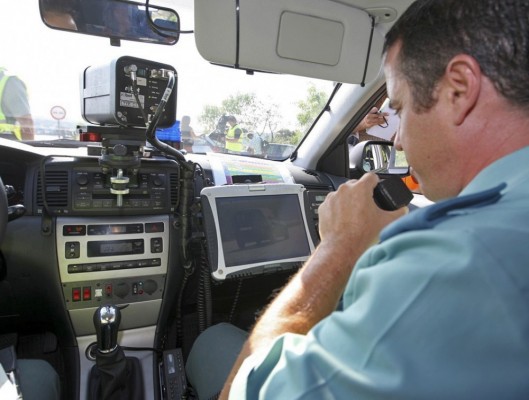
A typical radar speed measuring device is a Doppler radar unit that may be hand-held, vehicle-mounted, or static. Traffic radar units send out a wide radar beam that’s similar to an invisible spotlight. The radar beam widens as it travels. So a traffic radar unit simultaneously “sees” virtually all cars in sight. The radar beam hits oncoming cars and is reflected back to the radar unit, which can calculate speeds from those reflections. Radar can be used from a vehicle that’s either stationary or moving since it does not require precise aiming to clock traffic speeds. There are also handheld units that can be operated from a car, motorcycle, or an officer standing at the side of the road.
Speed radar used in the US and Canada
Traffic radar enforcement in the US and Canada uses K and Ka bands. MultaRadar and Gatso photo enforcement radar is used in parts of Canada and in some US cities. The GENEVO MAX and GENEVO PRO II detect these signals and filter false alerts.
Shared radar bands = possible false alerts
Detection range comes hand in hand with false alert filtering since these bands are shared with many different sources such as automatic doors at gas stations, active cruise controls, or blind spot monitoring systems. Therefore we focus not only on detection range but also on high-quality filtering, helping reduce unwanted alerts during everyday driving. Fewer false alarms, less stress. How radar detectors work can be found here.