77 GHz Radars: The New Challenge for Radar Detectors
Police radar technology is changing fast. While K and Ka-band is still common in many countries, more and more police forces are starting to use 77 GHz police radars, also known as W-band radars.This frequency is already familiar from modern driver assistance systems such as Adaptive Cruise Control (ACC) and Blind Spot Monitoring (BSM). But today, it is also becoming a new standard for speed enforcement.
The problem is, 77 GHz radars are much harder to detect than traditional K- or Ka-band radar guns.
Why 77 GHz Radar Is So Difficult to Detect
Compared to conventional police radar, 77 GHz radar systems have very different physical properties:
- Extremely high frequency
- Very short wavelength
- Narrow radar beam
- Lower signal leakage
For radar detectors, this means there is often far less signal available for early warning. Detecting these radars requires a completely new type of receiver, antenna design, highly sensitive electronics, and advanced filtering.
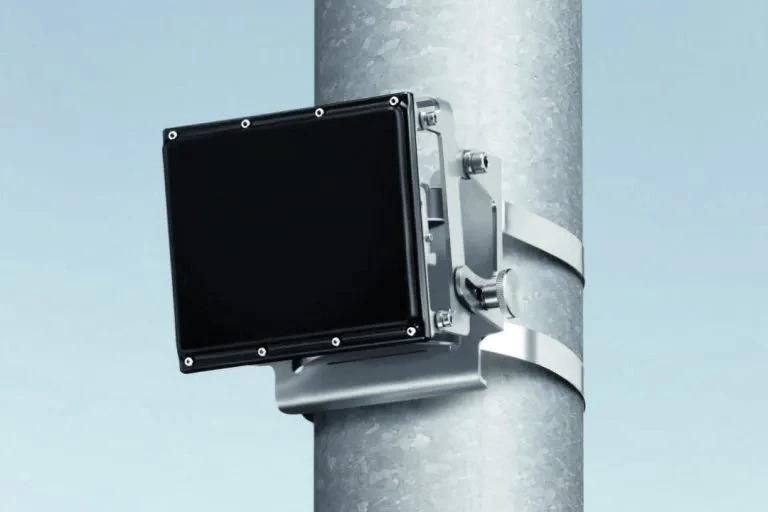
Examples of 77 GHz police radars include:
- W-band radars
- smartmicro radar systems
- EKIN Patrol
- GATSO Sensys 77
This is exactly why conventional radar detectors are simply not prepared for 77 GHz enforcement technology.
Real Development Requires Real Police Radar
Developing a detector for 77 GHz police radar is impossible without access to real radar hardware already used on the roads.
Without an actual radar source, engineers can only rely on theory and simulations — and that is not enough for real-world performance.
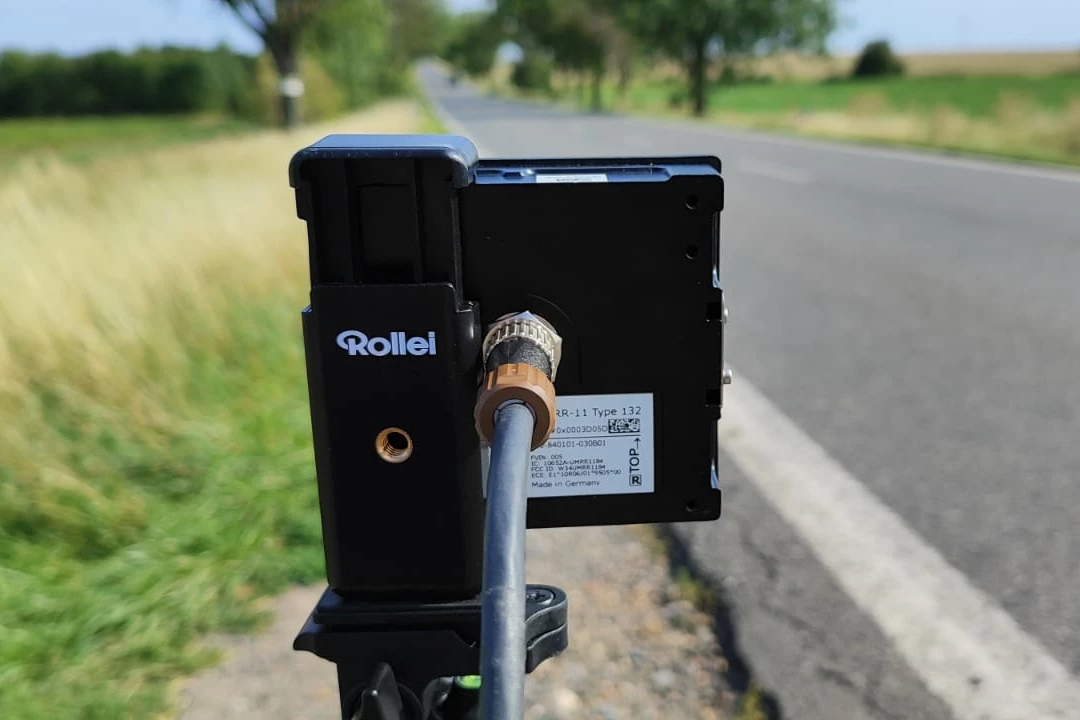
That is why our development process included testing with real 77 GHz radar systems, including smartmicro TOPGRD Compact, allowing us to analyze how these radars truly behave in practice.
Spectrum Analyzer and Radar Chamber Testing
Testing at 77 GHz requires specialized mmWave laboratory equipment.
To properly analyze these signals, it is necessary to use a high-frequency spectrum analyzer capable of measuring up to at least 80 GHz. This allows us to evaluate:
- frequency behavior
- modulation
- pulse characteristics
- signal stability
- receiver reaction in real time
Another key part of development is a radar chamber, where receiver sensitivity and detector behavior can be tested in a fully controlled environment.
This kind of testing is essential when developing a detector for such a demanding frequency range.
Countries Where 77 GHz Police Radars Are Already Used
Drivers can already encounter 77 GHz speed enforcement radars in several countries, including:
- Estonia
- Latvia
- Lithuania
- Finland
- The Netherlands
- Belgium
- Turkey
They are also becoming increasingly common in Asia. This clearly shows that 77 GHz radar is no longer a future concept — it is already here.
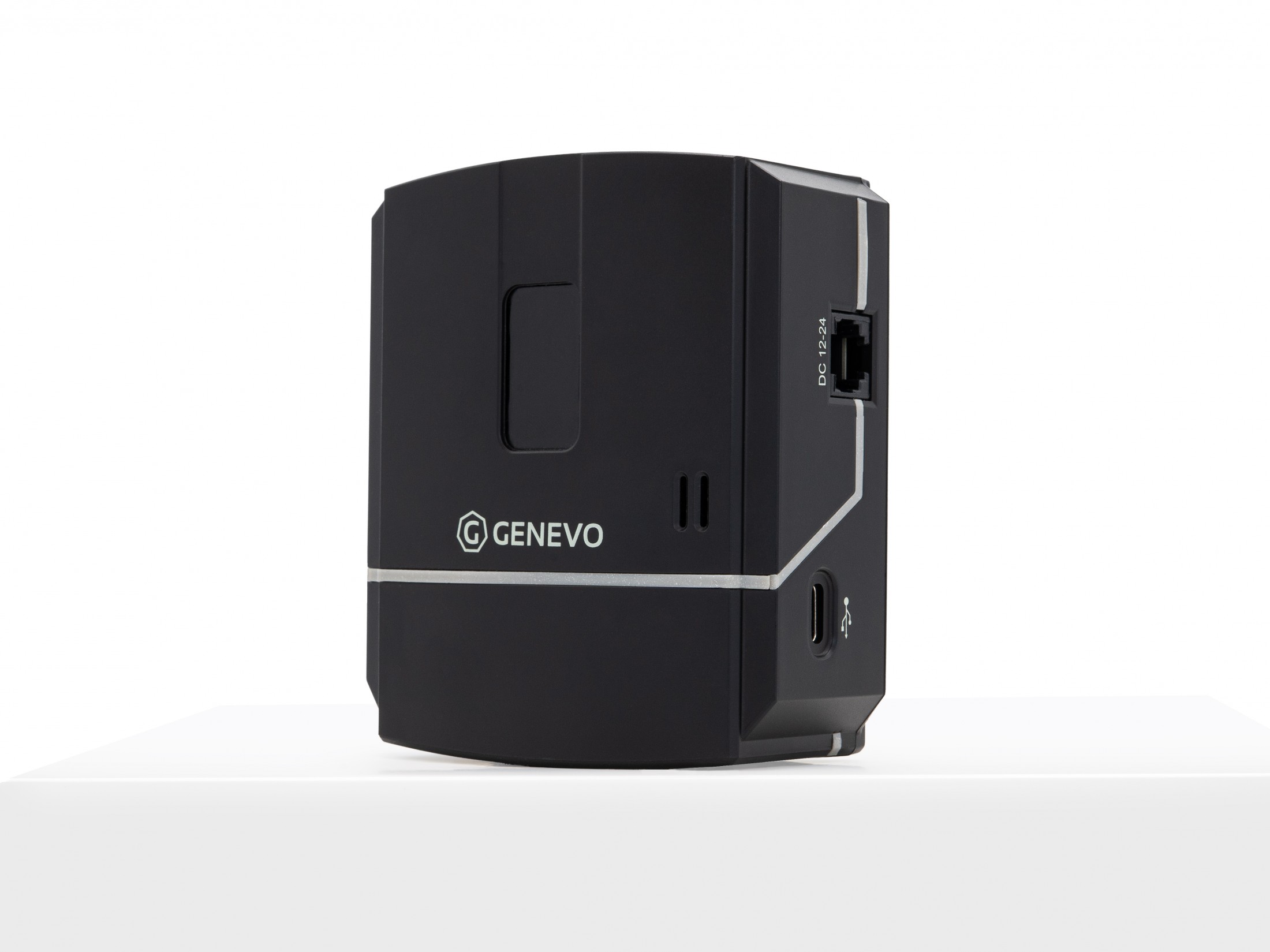
GENEVO GUARD77: DETECTOR FOR 77 GHz RADARS
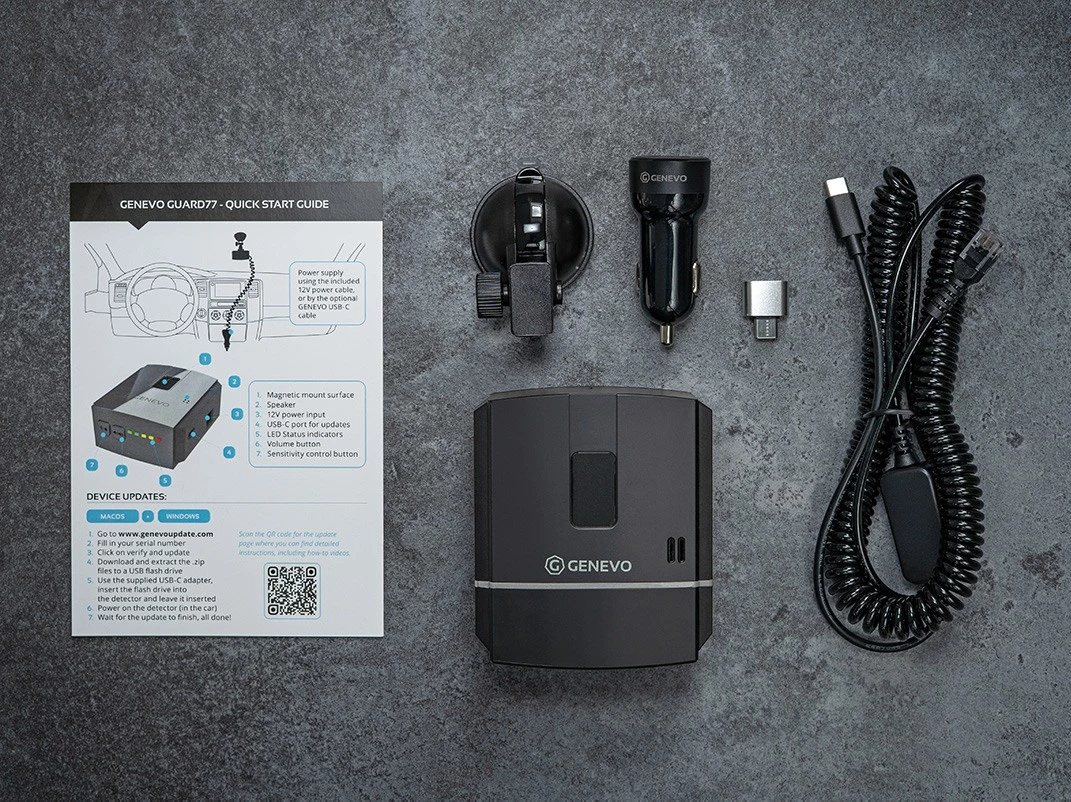
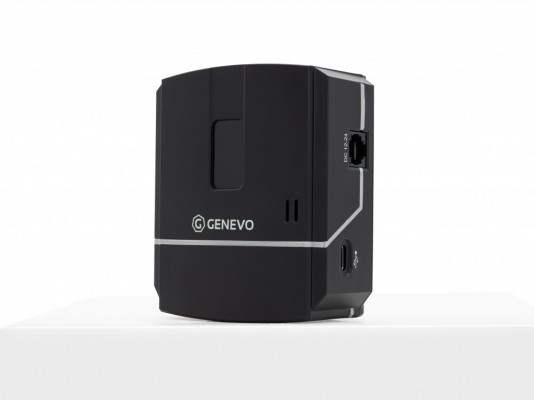
As this new technology spreads, radar detectors must evolve with it. That is why we developed the GENEVO GUARD77 — a portable radar detector designed to detect modern 77 GHz police radars and help drivers stay prepared for the next generation of speed enforcement. While many conventional detectors were never built for this challenge, GUARD77 is specifically engineered for 77 GHz detection.